Category: Leadership Development

Beyond Leadership is Horizon Point’s line of resources for managers of people. Managing ourselves is a distinct set of behaviors from managers the work of others, and we are here to help. Read stories in this category if you are ready to take the next step in your own leadership development (or if you’re looking for resources for someone else).

  • From Manager to Coach: Coaching Leadership That Builds Teams

    From Manager to Coach: Coaching Leadership That Builds Teams

    Many people have stepped into management because they were great at doing the work.

    They were strong individual contributors. They solved problems quickly. They delivered results.

    So when they become managers, they often continue doing what worked before. They direct tasks, answer questions, and step in to solve problems.

    But this approach can create an unintended challenge.

    When managers remain the primary problem solver, team growth can stall. Over time, employees begin to rely on the manager for answers instead of developing their own solutions. The leader becomes a bottleneck rather than a multiplier.

    This is where the shift from manager to coach becomes powerful.

    Instead of focusing primarily on directing work, coaching leadership focuses on developing people.

    When leaders develop people, teams become stronger, more capable, and more engaged.


    The difference between managing and coaching

    Research from the Society for Human Resource Management (SHRM) highlights that coaching leadership strengthens employees’ problem-solving ability and builds long-term capability rather than reliance on direction from their manager.

    In other words, coaching leaders do not just solve today’s problem. They help employees learn how to solve the next one. Over time, this shift creates stronger and more capable teams.


    Why coaching leadership matters

    Research summarized by the National Institutes of Health indicates that supportive leadership and developmental feedback are linked to higher employee engagement and improved performance.

    Similarly, research shared through the American Psychological Association connects regular feedback and developmental leadership practices with improved workplace well-being and productivity.


    Four ways to start coaching your team

    1. Ask more questions than you answer. When employees bring a challenge, ask questions that help them think through the issue and build ownership of their work.

    2. Focus on development, not just performance. Make space for conversations about strengths, growth opportunities and future goals.

    For more ideas, see Horizon Point’s 4 Ways to Get Unstuck with Professional Development

    3. Provide feedback regularly. When feedback is clear and timely, employees learn faster and gain confidence in their progress.

    4. Create opportunities for reflection. Ask employees what worked, what could improve and what they learned from the experience.


    Building developmental teams

    The goal of coaching leadership is not just stronger performance today. It is building developmental teams where people continually grow their skills, confidence, and leadership capacity.

    Managers get work done through people. Coaches develop people who can get the work done.At Horizon Point, we help organizations strengthen leadership capability through leadership development programs, coaching engagements, and organizational consulting.


  • Nourishing Growth Through Gratitude, Common Ground, and Kindness

    Nourishing Growth Through Gratitude, Common Ground, and Kindness

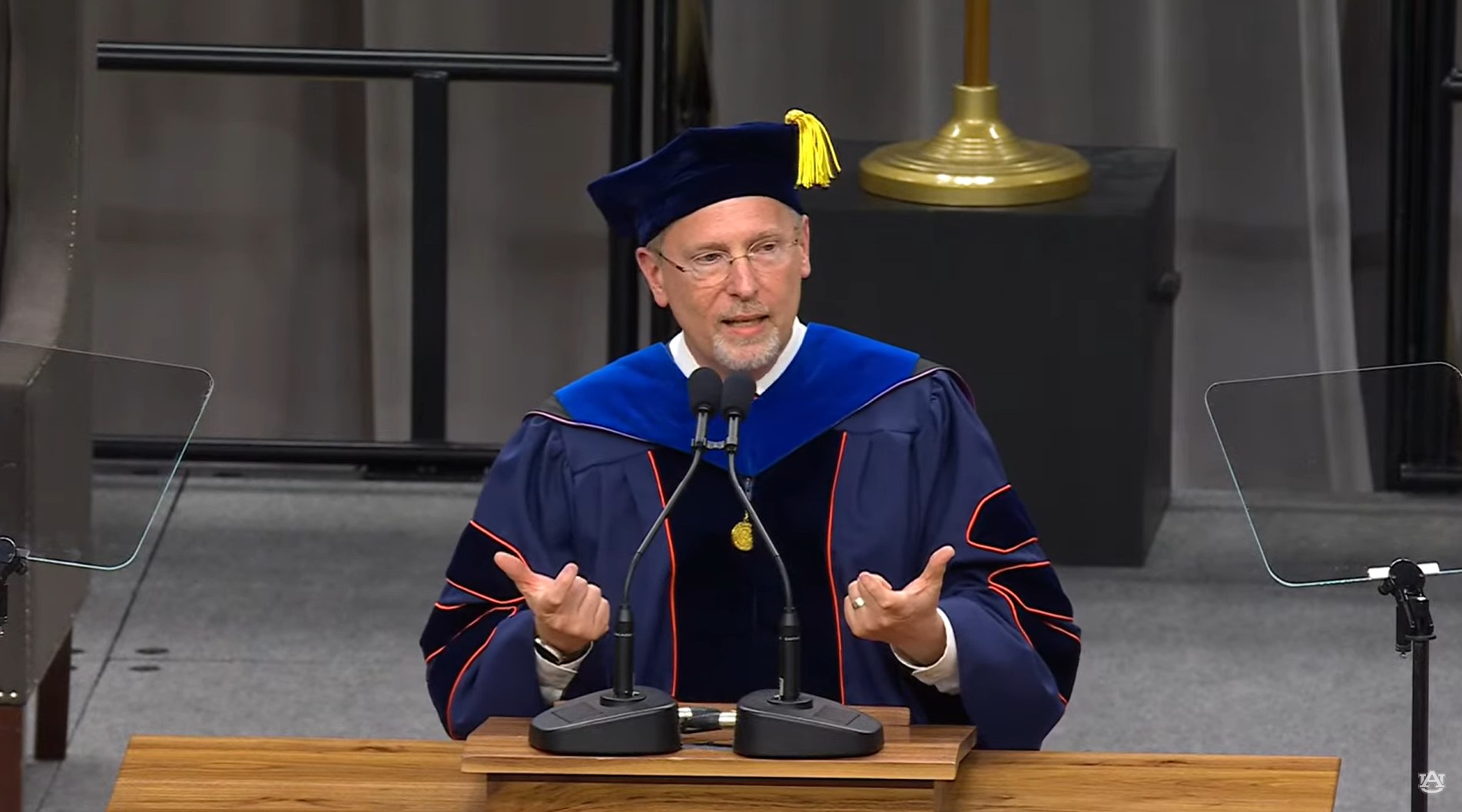
    A Note from HPC: We’ve had the privilege of working with Cummings Research Park to provide leadership training for high-potential professionals who are shaping innovation in Huntsville, Alabama. The class sessions were hosted at HudsonAlpha, where Dr. Neil Lamb serves as president. During one session, Dr. Lamb joined us as a “leadership in action” guest speaker, sharing his story and insights on purpose-driven leadership. When Mary Ila began planning this special feature for our Nourish theme, she immediately thought of Dr. Lamb as the perfect guest contributor. He agreed that his recent commencement speech at Auburn University captured the message beautifully. And as a two-time Auburn graduate myself, I couldn’t agree more. You can watch the full speech at the end of this blog post. 

    When Dr. Neil Lamb stood before Auburn University’s Class of 2025, he began with honesty and humor. He admitted he could not remember a single word from his own graduation speaker 33 years ago. What he did remember was sitting a few rows away from the woman who would become his wife, a love story that began at Auburn and continues today.

    That story set the tone for a message about what truly sustains us. Dr. Lamb, now president of the HudsonAlpha Institute for Biotechnology, has built a career on advancing science and education. Yet his advice to graduates was not about innovation or research. It was about how to live and lead in a way that nourishes ourselves and others.

    He called on the audience to practice three habits that have the power to shape lives, teams, and communities: gratitude, common ground, and kindness.

    Gratitude: Nourishing Connection

    “Take a moment,” Dr. Lamb urged, “and think of three people who have supported you, believed in you, or pushed you to get to where you are today.”

    Gratitude, he said, is not just for special occasions. It is a daily practice that keeps us connected to what matters most. At Horizon Point, we often talk about nourishing relationships. Gratitude is how that nourishment begins. It reminds us that none of us reach success alone.

    Expressing appreciation builds stronger teams and healthier workplaces. It creates space for joy and perspective, even in times of challenge. When we take the time to say “thank you,” we invest in the human side of work.

    Common Ground: Nourishing Understanding

    In a world filled with division, Dr. Lamb encouraged graduates to seek common ground.

    “You can hold deep convictions while still recognizing the dignity of others,” he said. “Finding common ground isn’t compromising your values. It’s choosing connection over contempt.”

    That kind of leadership starts with curiosity. It is the willingness to listen longer, to stay in the conversation when it gets uncomfortable, and to look for shared purpose instead of differences.

    When we nourish understanding within teams and organizations, collaboration thrives. Trust grows. Solutions emerge. As Dr. Lamb reminded the audience, finding common ground does not mean giving something up. It means building something stronger.

    Kindness: Nourishing Culture

    Dr. Lamb called kindness a “stealth superpower.” It diffuses tension, invites generosity, and changes lives in small and large ways.

    Kindness does not mean ignoring conflict or injustice. It means seeing the humanity in others, especially those who challenge us. It means offering grace when judgment would be easier and patience when frustration feels justified.

    In the workplace, kindness nourishes culture. It sets the tone for how people feel, how they show up, and how they grow. When kindness leads, people are more open, resilient, and ready to contribute their best.

    Belonging and Self-Doubt

    Dr. Lamb also spoke candidly about his own struggle with impostor syndrome. As a student, he felt like he had “slipped through the cracks” and did not truly belong at Auburn. It took years, mentors, and self-reflection to realize that he was right where he needed to be.

    To anyone carrying similar doubts, his message was powerful:

    “You are not here by luck or by mistake. You are here because you deserve to be.
    You will belong in the rooms where ideas get born, where decisions get made, and where the future takes shape.”

    At Horizon Point, we believe belonging is part of being nourished. When people feel seen, valued, and included, they can bring their full selves to their work and their communities.

    A Nourishing Way Forward

    Dr. Lamb closed with a challenge that aligns beautifully with our theme this year:

    Carry gratitude.
    Seek common ground.
    Be kind.

    These are not “soft” skills. They are essential skills that sustain leadership and nourish the people around us.

    Whether you are crossing a stage, leading a team, or facing a personal transition, these three habits can ground and guide you. Gratitude connects. Common ground unites. Kindness uplifts. Together, they nourish growth that lasts.

    “Auburn has prepared you well,” Dr. Lamb said. “You are more than ready. And we can’t wait to see what you do next.”

    War Eagle to that.

  • Make It Fun: Choosing AND at Work

    Make It Fun: Choosing AND at Work

    Mary Ila spoke at the 2025 DisruptHR Huntsville event in August, all about how to make work fun and productive. Here’s a recap on what her five minute talk emphasized! 

    Work and play. Too often, we treat them as opposites—like you can only have one at the expense of the other. But what if the real secret to stronger results, happier teams, and better workplaces is choosing AND?

    At Horizon Point, we believe the most impactful organizations are the ones that put people first. And putting people first means recognizing that work and play don’t have to be at odds. In fact, blending the two is where innovation and connection thrive.

    The Power of AND

    For decades, we’ve separated the serious from the playful. Work is about productivity, deadlines, and outcomes. Play is what happens after hours. But that split ignores a core truth: people bring their best selves to work when they feel safe, connected, and able to enjoy what they do.

    By embracing AND, we unlock a workplace culture where high performance and genuine joy coexist.

    The Elements of Work AND Play

    When we think about combining work and play, three core elements rise to the top:

    1. Fun

    Fun doesn’t mean frivolous. It means creating moments of levity and joy that break up the intensity of daily tasks. Laughter, shared activities, or simply celebrating wins together makes teams more resilient and energized.

    2. Connection

    Play builds bridges. When teams connect on a human level—beyond job titles and roles—they develop trust that strengthens collaboration and communication.

    3. Inclusivity

    Play levels the playing field. When everyone is invited in, regardless of position or personality, workplaces become more open, creative, and equitable.

    Psychological Safety: The Foundation

    Of course, fun, connection, and inclusivity can’t thrive without psychological safety.

    Psychological safety is the shared belief that the team is safe for interpersonal risk-taking. When employees know they can speak up, make mistakes, and be themselves without fear of judgment, they feel respected and valued. Research shows it’s one of the most important factors in effective teams.

    Your Turn

    So, how do you choose AND at work?

    • Find small ways to infuse fun into your team’s routine.
    • Be intentional about building meaningful connections.
    • Make sure everyone feels included, seen, and valued.
    • Create a culture where psychological safety is the norm, not the exception.

    Work and play. Productivity and joy. Results and people first. When we stop choosing one over the other, that’s when workplaces truly thrive.

  • What the Dentist’s Chair Can Teach Us About Leadership

    What the Dentist’s Chair Can Teach Us About Leadership

    When have you seen psychological safety in action? A few weeks ago, my youngest son, who is fifteen, had a dentist appointment. Unlike me, my kids have always enjoyed going to the dentist—or at least not dreaded it. I was always thankful, especially when they were little, that trips to the dentist didn’t end in a meltdown. And I give a lot of credit to the pediatric dentist and her staff for that.

    They had a way of making kids feel completely at ease. What helped my son feel comfortable—even in a situation where many kids (and adults!) feel anxious—was something we talk about often in leadership: psychological safety.

    The dental team welcomed questions. They showed the kids the tools, explained what they were going to do, and used language they could understand. The unknown wasn’t scary—because it wasn’t unknown anymore. Step by step, they built trust by creating an environment where curiosity was encouraged and no question was too small.

    That approach didn’t just reduce fear—it actually made him want to be there. Psychological safety in action.

    What ‘Psychological Safety in Action’ Means for Leaders

    The same principles apply at work. If we want people to show up fully, stay engaged, and take ownership, we have to create spaces where they feel safe to ask questions, express concerns, and understand the “why” behind what we’re doing.

    Motivation isn’t about pizza parties or quick perks. It’s about creating a culture where people feel energized, committed, and able to perform at their best—a culture grounded in trust and growth.

    Why Psychological Safety Matters

    At Horizon Point, we talk a lot about psychological safety—the belief that it’s okay to speak up, ask questions, and offer ideas without fear of negative repercussions. In fact, Google’s Project Aristotle found that psychological safety is the most important factor in high-performing teams. When it’s present, employees are more likely to contribute, take initiative, and stay engaged.

    Safety Isn’t Soft—It’s Strong

    But psychological safety alone isn’t enough. Part of a psychologically safe environment is the ability to manage conflict successfully. Too often, leaders avoid conflict to “keep the peace.” But as Amy Edmondson—one of the top authorities on psychological safety—says:

    “Psychological safety is not about being nice. It’s about giving candid feedback, openly admitting mistakes, and learning from each other.”

    Kim Scott, in her book Radical Candor, builds on this idea: leaders must care personally and challenge directly. Avoiding conflict isn’t protecting your team—it’s often self-serving. It creates distrust, fuels passive-aggression and resentment, and slows innovation.

    You need both – safety and conflict management skills. A team with psychological safety but no conflict skills becomes stagnant. A team with conflict skills but no psychological safety stays silent out of fear. Psychological safety in action is the foundation; healthy conflict is the catalyst for growth.

    Lead with Vulnerability and Structure

    As leaders, we set the tone by modeling vulnerability. That means admitting mistakes, inviting feedback, and showing up even when we’re unsure. As Brené Brown says in Dare to Lead:

    “Vulnerability is not winning or losing; it’s having the courage to show up and be seen when we have no control over the outcome.”

    By showing vulnerability as a leader, you give your team permission to do the same. Of course, this comes with guardrails:

    • Structure how concerns are raised.
    • Ensure communication is professional and constructive.
    • Recognize and reward honest feedback and collaboration—not just results.

    Motivated Teams Are Aligned, Not Always in Agreement

    Having a psychologically safe team that manages conflict well doesn’t mean everyone agrees all the time. It means team members respect each other’s different views and work through them constructively. Motivated teams aren’t always in agreement – they’re in alignment. That’s psychological safety in action.

    Books, books, books!

    Want to know more about the books Lorrie mentioned this week? Check them out on our Bookshop.org featured list:

  • What’s Ethical Isn’t Always What’s Easy

    What’s Ethical Isn’t Always What’s Easy

    Years ago I worked for a small company that was in financial trouble. The CEO asked me to alter payroll records because the company couldn’t afford to pay employees, employer taxes, or 401k contributions. I knew the request wasn’t just unethical—it was illegal. I also knew that refusing could cost me my job–-and it did. Situations like this—where personal and professional consequences collide—are the kind of ethical gray zones HR professionals face every day.

    Ten years ago, ethics in the workplace often meant compliance training and checking boxes. Today, it’s about how values show up in hiring decisions, leadership behavior, and even how we exit employees.

    That’s why I’m excited to be leading a session this week at the Alabama SHRM Conference, diving deep into Ethics in HR. We’ll explore core ethical principles, the most common challenges HR professionals face, and how to build a practical framework for navigating tough decisions—even in complex, uncomfortable situations where there may be no clear right answer. (We’re also launching a brand new eCourse all about Ethics in HR!)

    At the same time, with increasing attention on workplace transparency, DEI, and employee well-being, HR leaders are under more pressure than ever to make ethical decisions that align with both legal standards and evolving cultural expectations.

    Have you ever been asked to bend the rules “just this once”? What did you do? Ethics in the workplace isn’t always about obvious misconduct—it’s often about subtle pressures and competing interests.

    Ethics isn’t just a one-time conversation—it’s a critical skill set that needs to be practiced, refined, and supported by policy and culture. Whether you’re new to HR or a seasoned leader, revisiting these principles can sharpen your judgment and strengthen your voice in moments that matter. Ethical leadership starts with asking the hard questions and being willing to speak up, even when it’s uncomfortable. As HR professionals, we have the opportunity—and responsibility—to model what integrity looks like in action.

    Think about a time when you were faced with an ethical dilemma or an unclear ethics in the workplace situation. What did you do? Looking back, is there anything you would have done differently? Ethical decisions in HR rarely come with applause—but it’s essential to building organizations people can trust.

    NEW! Ethics in HR eCourse