It’s the summer of anniversaries. On July 4th our country will celebrate its 250th anniversary. Relatively young for a country, but a milestone nonetheless.
In August, my husband and I will celebrate 20 years of marriage. Still possibly a young marriage, but a milestone anniversary as we enter our midlife years.
And this summer, Horizon Point celebrates our 15th anniversary. Established as a business- but still an adolescent- we’ve always been predicting and navigating what will happen next when it comes to the workplace.
Fifteen years ago, writing my first blog post seemed to be the official way to announce the business. I looked for the post and that first platform of those infant writings, but couldn’t find it. It was written on a platform that is long forgotten and no longer in existence.
The post played off the theme of Sarah Bareille’s song “Uncharted”. And boy, we’ve navigated some uncharted territory-some anticipated and some totally unexpected- shaping the workplace.
How the Workplace Changed Over the Past 15 Years
In 2011, smartphones were taking over, millennials were taking over, and cloud computing was changing how we worked and collaborated. We were coming out of the “Great Recession” yet many employers were still complaining about the quality and quantity of labor.
Throughout the first several years of business, “employee experience” became a buzz phrase, people wanted to constantly talk about the five generations in the workplace and what it meant and DEI initiatives began to take off. “Wellness” became a workplace strategy.
As we approached 2020, remote and hybrid work largely driven by technology and the desire to retain and expand talent pools began to creep up on all of us. Around 2018 we began to get an explosion of calls about help with compensation. We were still largely operating at recession wages ten years after the recession. Then the pandemic hit and accelerated these paths exponentially.
The Great Resignation hit and we were up to our eyeballs at work helping a diverse set of employers recruit and retain talent in this new paradigm.
And although I wouldn’t have dreamed of all that AI can do and how it could help me write a blog post fifteen years ago- yes, I did dump the topic for this blog post in ChatGPT to help me begin- there are some things that still remain the same and will continue to shape the workplace for the next 15 years.
Looking Ahead: What the Next 15 Years May Bring
Here are my predictions:
How and Where Work Gets Done: We will still be “arguing” over the mix of work- remote, hybrid, in office, etc. etc.- and what is best universally and by company and industry. We will still be arguing what makes people most “productive”.
I found Adam Grant’s most recent research interesting around why and what type of boss wants people to return to the office full-time. Spoiler alert: it isn’t really about productivity.
I myself have re-examined this in the last year or so, to a varying degree of extreme. We’ve always had the core values of people first coupled with productivity driving us to not care “when and where work gets done as long as it meets the client’s needs.” We all work from home and work based on client demand and our own personal time clocks and rhythms to maximize our motivation, productivity, and outcomes. This looks different for each of us.
But as we transition into year sixteen of the business, I will be relocating with my family six hours away from where I’ve done life and business for the last fifteen years. I still have total confidence work will get done to meet client needs. Will it look different, yes, but it will still be work getting done. If you want to read more about our decision to move, you can find it here. Home and work, at least in my industry, can be almost anywhere in 2026 and beyond.
As technology continues to advance, even 24/7 industries like healthcare, public service/safety, and manufacturing will have to examine if it will be realistic to operate 24/7/365 without some drastic changes. Because what will drive all this is the next one…
Our quality and quantity labor crisis will only grow: We aren’t making enough babies in the United States or across the world. Immigration policy is a hot button and I believe will remain so for the near future. People are exiting the workplace left and right, some for valid reasons, like a much deserved retirement, and for some not so good, for example, the decline of working-age men in the workplace and what this idleness is causing.
We’ve written about all of this extensively. You can find more about this labor crisis that will only grow here:
The Evaporation of Male Labor Force Participation
What’s Affecting the Labor Force Participation Rate?
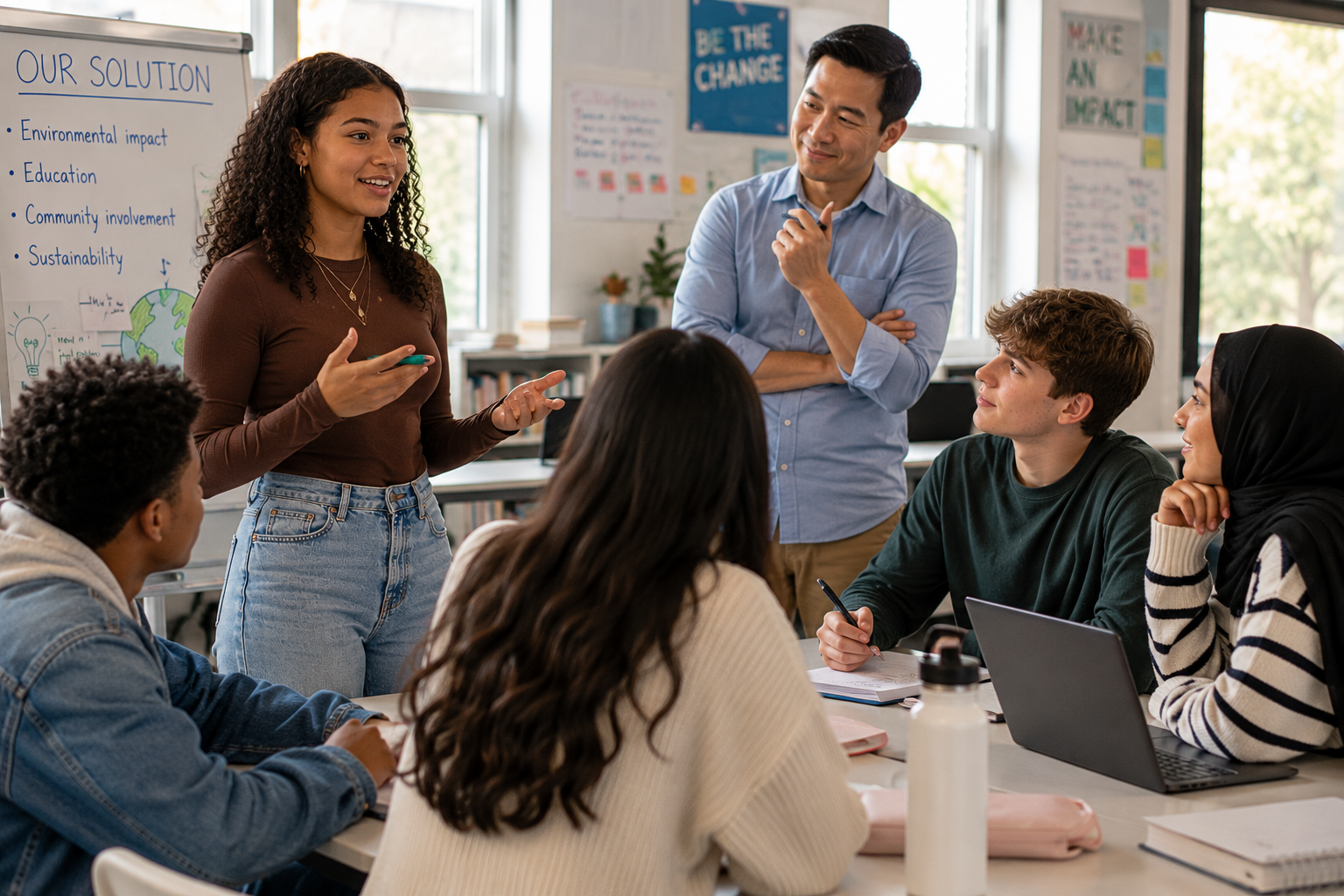
We will still need (and there will still be a gap in) good leadership: If you asked me at the beginning of 2026 what we would receive the most requests for this year, I honestly would not have said leadership training. Boy was I wrong. We are getting a minimum of 1-2 requests a week for leadership training proposals, and I’m not talking about a one-and-done stab at leadership development. I’m talking months and months of a willingness to invest in identifying and growing leaders.
Driven by the first two above, the quality (and quantity) of good leaders will be needed. And it will be about embracing authenticity, vulnerability, bravery, and courage. It will demand self-differentiated leaders. For more on this visit work done by Brene Brown and the late Edwin Friedman.
And like we’ve often said, what got you here won’t get you there. Good leaders can be grown, but it takes training in a different type of skillset than being a good doer.
With this in mind, we have launched the Doer2Leader Program to meet this demand that isn’t going anywhere.
AI will continue to shape the workplace and the classroom: I used AI sparingly just a year ago. I use it pretty much every day now. My kids use it on the regular for school and non-school related things. How will it look in 15 years? I’ll leave that to the experts in the field to discern, but I know it will make an impact. We will need people who know how to leverage constantly evolving technology wisely. I don’t think it is going to largely replace humans at work, or at least not to the extent that number two above won’t continue to be a problem.
Education will continue to need to focus on in-demand skills, not degrees, but it will continue to need to help students know how to think, not just do: It’s hard for me not to look at this from the lens of a mother instead of someone trained in organizational psychology. Although I’m not sure of the means to get to it (and how the trends in school choice do or don’t impact it), I do know we’ve got to do education better. We’ve made strides in the last fifteen years in resurrecting the focus on career and technical education. But, in my opinion, we still aren’t doing enough to integrate cross disciplinary instruction and thinking as well as character development into our educational pedagogy across the country.
We are largely still asking kids to memorize things they can look up online, structuring classrooms like we did during the industrial revolution and failing to show students how to connect the dots across multiple disciplines, ideas, and basic life skills. Haves and have nots continue to be further divided based on who gets this type of learning in the home and who doesn’t.
The “traditional” worker will shrink: Those who think and not just do will not stay in the “traditional” workplace. They will go out on their own and do their own thing or work for someone who will let them do so. They won’t be governed by corporate policy or the corporate grind and by work hours and mindsets that aren’t conducive to their lifestyle desires or pay systems that don’t reward them for their value and performance. Some will couch this along the lines of generational issues, but I think there is more to it than that.
The best and brightest will leverage technology, interpersonal skills, and vision, and tell the workplace to peace out if it doesn’t get a grip with things mentioned above and the value they create. I am seeing this in droves now and it will continue.
This will continue to separate the haves from the have nots (for which I am concerned) and place more of a demand on traditional employers and educators to figure out how to train and lead marginalized groups. This drives a set of challenges we’ve got to figure out as a collective how to address.
The One Prediction I’m Confident Making
I’ll be wrong and I’ll be right about some of these things. But what I know for sure is we will have to keep innovating the workplace if we will continue to be relevant as a business and if any other organization will be for that matter.
What are you expecting the future of work and the workplace to look like and how do you stay on top of the constant evolution?