Author: Mary Ila Ward

  • Recognition Is Not a Perk—It’s a Retention Strategy

    Recognition Is Not a Perk—It’s a Retention Strategy

    At Horizon Point, we believe organizations don’t retain talent through compensation alone—they retain it through connection, purpose, and feeling valued. One of the most overlooked yet powerful drivers of that connection is recognition.

    In today’s labor market, where disengagement and turnover remain persistent challenges, recognition has shifted from a “nice-to-have” cultural element to a strategic imperative.

    The Link Between Recognition and Retention

    Research consistently shows that employees who feel seen and valued are significantly more likely to stay.

    • Employees who feel valued are 63% less likely to be looking for a new job
    • Well-recognized employees are 45% less likely to leave within two years
    • Organizations with strong recognition cultures experience 31% lower voluntary turnover

    These aren’t marginal gains—they represent meaningful shifts in workforce stability. When people feel their contributions matter, they are more likely to invest their energy and future in the organization.

    Why Recognition Works

    Recognition operates at the intersection of engagement, trust, and belonging.

    A large-scale study of over 25,000 employees found that recognition significantly boosts employee engagement and reduces burnout . Engagement, in turn, is one of the strongest predictors of retention.

    Recognition also builds trust in leadership and organizational fairness. Employees who receive authentic recognition are more likely to believe in equitable opportunities and leadership integrity —two critical components of long-term commitment.

    At a human level, recognition answers a fundamental question every employee is asking: Does my work matter here?

    The Cost of Getting It Wrong

    Despite its importance, recognition is often inconsistent—or absent altogether.

    • Only 22% of employees feel adequately recognized
    • Nearly 66% say they would leave if they felt unappreciated

    This gap creates what we often see in organizations: a “quiet risk” population—capable, experienced employees who are not actively disengaged but are increasingly open to leaving.

    When recognition is delayed or impersonal, it loses its impact. Timely, meaningful appreciation reinforces behavior and strengthens connection. Without it, organizations risk eroding trust and loyalty.

    Recognition as a Leadership Discipline

    Recognition is most effective when it is not treated as a program, but as a leadership habit.

    High-impact recognition is:

    • Timely – delivered close to the behavior or achievement
    • Specific – tied to actions and outcomes and the personal preferences of those being recognized
    • Authentic – genuine and aligned with organizational values
    • Frequent – embedded in daily interactions, not reserved for annual events

    Organizations that operationalize recognition see measurable results. Formal recognition programs have been linked to up to a 25% improvement in retention , while even simple, non-monetary recognition can significantly increase job satisfaction and loyalty.

    Building a Culture of Recognition

    Creating a recognition-rich culture does not require complex systems—it requires intentionality.

    Leaders can start by:

    • Equipping managers to recognize effectively and consistently
    • Equipping managers to know their people’s preferences so their recognition has meaning.  A good way to consider preferences is through tools like Appreciation at Work Languages. 
    • Encouraging peer-to-peer recognition, not just top-down praise
    • Aligning recognition with organizational values and behaviors

    When recognition becomes part of how work gets done—not an occasional initiative—it reinforces the behaviors and relationships that sustain performance over time.

    The Bottom Line

    Retention is not solved through policies alone—it is built through everyday experiences.

    Recognition is one of the simplest, most human ways to shape those experiences. It strengthens engagement, builds trust, and signals to employees that they matter—not just for what they do, but for who they are.

    At Horizon Point, we see recognition as more than appreciation. It is a strategic lever for building cultures where people choose to stay, contribute, and grow.

    And in a world where talent has options, that choice is everything.

    Like this post?  You may like this one as well: 

    https://horizonpointconsulting.com/?s=recognition

  • Start the New Year Right with Simplicity

    Start the New Year Right with Simplicity

    At the beginning of a new year, there is a natural pull toward momentum. Fresh calendars, renewed energy, and the promise of progress invite us to jump straight into action. But at Horizon Point Consulting, we believe sustainable success starts with intention—not urgency. Starting the year right means slowing down just enough to be thoughtful, focused, and aligned.

    Here is a simple, disciplined approach we often recommend to individuals and organizations alike.  And you need to write this all down! Don’t just do it in your head. Reflection becomes far more powerful when it moves from your head to paper.

    1. Reflect 

    Before you plan what’s next, take time to reflect on what has been. Two ways to do this are through documenting: 

    Highs and Lows

    Begin by capturing the highs from the past year. What worked? Where did you feel proud, energized, or successful? These moments often reveal strengths and strategies worth repeating.

    Then, honestly document the lows. What felt heavy, frustrating, or misaligned? Where did you lose energy or momentum? Naming these experiences helps you learn from them rather than carry them forward unconsciously.

    Start, Stop, Stay

    Next, organize your reflection into three simple categories:

    • Start: What new habits, behaviors, or practices would serve you better this year?
    • Stop: What is no longer working and needs to be released?
    • Stay: What is already working well and should be protected or reinforced?

    This exercise brings clarity and creates a strong foundation for meaningful change.

    Mel Robbin’s Best Year Workbook highlights a reflection on both of these things and may help you get these reflections down on paper. 

    We also like Emily Freeman’s 10 Questions for Reflection and Discernment


    2. Plan — Then Put It on the Calendar

    Reflection without planning rarely leads to results. Once you’ve identified what matters most, it’s time to plan.

    The key here is specificity. Good intentions become real commitments when they are scheduled. Block time for priorities, not just tasks. And understand your natural rhythms to know when the best time is to do what type of activities.  We outline how to do a time audit and other important “when” topics here. Whether it’s strategic thinking, personal development, health, or connection, if it matters—it deserves space on your calendar.

    You also may want to check out Cal Newport’s planner and podcast for more insights on purposeful planning for “deep work” and “slow productivity.” 

    And then, the harder part: stick to it. Treat these commitments with the same respect you give meetings and deadlines. Consistency is where progress compounds.

    3. Simplify

    Starting the year right doesn’t mean doing more. In fact, it often means doing less—on purpose.

    We simplify at HPC by selecting a theme for the year.  Here are some of our previous themes: 

    Ironically enough, our theme for 2026 HPC is “Simplicity.” 

    Look at your commitments, goals, and routines and ask: What can be simplified? Where can you reduce complexity, eliminate distractions, or streamline processes?  We will be working through all of these things this year at HPC. 

    We are starting off this year simplifying our blog and newsletters.  Blogs will be released once a month, not once a week, along with a newsletter.  Often, less is more. 

    Simplicity creates focus and it takes intention.  We are focusing on this in 2026. 

    4. Share

    Goals grow stronger when they are shared. Whether it’s with a colleague, a team, a coach, or a trusted friend, articulating your intentions out loud builds accountability and clarity.

    Sharing also invites support. You don’t have to carry the year alone—and you shouldn’t.

    In fact, with our Doer2Leader (D2L) leadership training, everyone picks an accountability partner so they are sharing their goals and sharing their progress throughout the six month program. 

    We have three groups starting this month and have a spot or two left for more- email us to set up a call to talk about your need!

    5. Calibrate Regularly

    Finally, remember that the year is not a straight line. Starting strong matters, but recalibrating regularly matters more.  Every year will no doubt require pivots. 

    Build in moments—monthly or quarterly (we like to do it quarterly)—to revisit your reflections, plans, and priorities. Ask what’s working, what’s shifting, and what needs adjustment. Calibration keeps you aligned as conditions change.

    Starting the new year right isn’t about perfection or pressure. It’s about clarity, intention, and disciplined follow-through. When you reflect honestly, plan deliberately, simplify courageously, share openly, and calibrate regularly, you create a year that is not just busy—but meaningful.

  • 2026 Book of the Year

    2026 Book of the Year

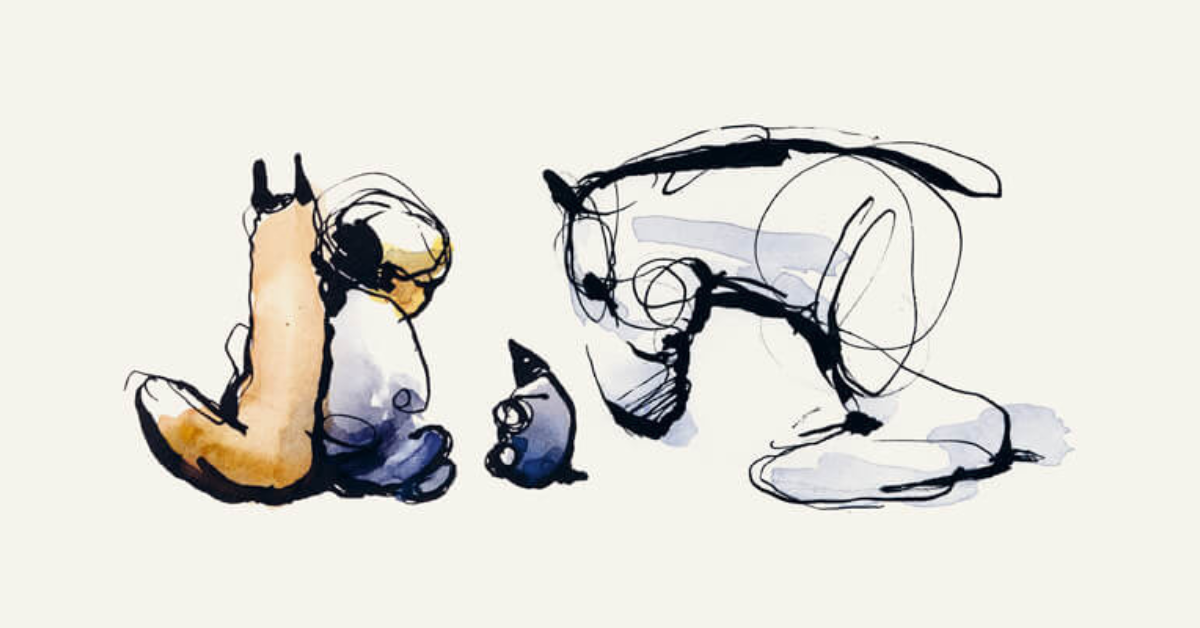
    As we reflect on this past year and our 2025 theme of NOURISH, we are thrilled to share the book that has captured our hearts and minds as our Book of the Year: The Boy, The Mole, The Fox and The Horse by Charlie Mackesy.

    Throughout the year, we wrestled with choosing a book—considering titles on leadership, career development, workplace culture, and change management. Yet, nothing seemed to align with what we truly wanted to communicate. We were forcing a choice.

    Then, serendipitously, we rediscovered The Boy, The Mole, The Fox and The Horse. And, much like our first-ever selection, When Breath Becomes Air, we were reminded that sometimes the most impactful books are those that appear to have nothing—and yet everything—to do with our work at Horizon Point Consulting.

    This beautifully illustrated treasure offers nourishment in just a few minutes of quiet reading and reflection. It’s a profound reminder of the quiet strength found in kindness, connection, and vulnerability—values that are foundational to the work we do and to the relationships we are privileged to build with you.

    As we turn the page to the new year, we hope this book nourishes your spirit, just as it has nourished ours. We are deeply grateful for your trust and partnership.

    Looking ahead to 2026, we are excited to announce our new theme: SIMPLICITY. In a world that often feels complex, we’re reminded that the simplest things—like a ten-minute read—can yield the most profound insights into courage, kindness, leadership, and connection.

    Wishing you and your team many blessings in this season of joy and reflection!

  • What Cultivates Gratitude? Or Better Yet, What Does Gratitude Cultivate?

    What Cultivates Gratitude? Or Better Yet, What Does Gratitude Cultivate?

    This week we are featuring a reblog from Mary Ila, originally published November 23, 2021.

    I was tasked with writing a blog post on gratitude for this week- Thanksgiving week. I love it when my team gets together without me while I’m on sabbatical and sends me an email telling me what to write 🙂  It’s a given- a post with a theme of thankfulness- even though as a culture we’ve seemed to skip right to Christmas once Halloween ends. 

    I’ve written about counting your blessings and even counting your first-world problems and being thankful when tasked with the same thing before. 

    But what keeps jumping back into my mind this year as I think about how to articulate some inspiration for gratitude is to cite Bryan Stephenson. I had the opportunity to hear Stephenson at a conference I attended this fall.  Bryan Stephenson is the author of Just Mercy and founder of the Equal Justice Initiative.  

    He is obviously an in-demand speaker.  He apparently charged the group nothing for an almost hour-long talk.  He started the session by thanking the people in the audience for the work they do.  Mostly public servants in the audience who spend their days helping people on the margins, he made reference to how some of the services the group was involved in impacted him as a child. 

    He thanked and he thanked and he thanked before he moved into any form of argument or points. 

    But his points were powerful, and also speak to a heart of gratitude I believe that then leads to a heart of grace and mercy, and then one of action. 

    In speaking about the marginalized, or “least of these” Stephenson made four points: 

    1. Commit to getting proximate.  We can’t help if we aren’t close because then we don’t know what we don’t know.  We need to affirm people’s humanity to help them get to higher ground and realize that all our journeys are tied to one another.  
    2. We have to change our narratives.  This means we have to talk about things we haven’t talked about before.  He says we have to, “acknowledge, confess, and repent.”  My favorite quote of the night was, “Beautiful things happen when we tell the truth.  We close ourselves off to beauty when we don’t tell the truth.” 
    3. We have to believe in hope.  This means believing in things we haven’t yet seen and being confident that in getting proximate and changing narratives, they will become seen. 
    4. We have to do things that are uncomfortable and inconvenient.  Really, the first three things echo this point.  Getting proximate is uncomfortable and inconvenient.  Changing our narratives and telling the truth is uncomfortable. Staying hopeful is not only uncomfortable, it is also inconvenient to train our brains to be so.  But in the end, and in the journey itself, that is where the beauty lies. 

    I hope you’ll take this week to be thankful and it will lead you to grace and mercy, which will then inspire you to action.  

    During this holiday season, where do you need to get proximate, change a narrative, have hope, and/or be uncomfortable or inconvenienced? 

  • Horizon Point is Supplier of the Year!

    Horizon Point is Supplier of the Year!

    Horizon Point was honored last week by the Alabama Automotive Manufacturers Association (AAMA) with the Supplier of the Year Award in the Service Provider category.  

    As we look back over our time working in the automotive sector, we are grateful for the people who taught us about the industry before we even knew we would be a service provider to it one day.  

    We are also thankful for the first Tier One supplier that put their trust in us when we were a start-up business and allowed us to work alongside them for years.  And we are thankful for the first OEM that asked us to partner with them in structuring and growing their workforce of over 4000 people. 

    And of course, we are thankful for AAMA putting their trust in us to impact the workplace across Alabama through collaborative partnership and keynote speaking.

    And finally, we are thankful for our clients that were willing to give testimonials that went into the video honoring us at the AAMA Annual Dinner:

    Organizational growth is built over time through lasting learning and relationships, and we are thankful for the Automotive sector in Alabama teaching us this.  As we enter the season of gratitude, we hope you’ll take a minute to reflect on the learning and relationships you’ve developed over time and thank those that have shaped your growth and your future.